
Our Kaupapa
Our kaupapa is simple.
Bring the Ōtākaro Avon back to its original purpose. For many, many years, no waka touched these waters. Waka on Avon exists to change that - restoring the river as a place of movement, connection and story, just as it was for Ngāi Tahu long before the city grew up around it.
Today, that same stretch of river carries visitors through two histories at once: the deep, ongoing story of Ngāi Tahu and the Ōtākaro, and the shared, tangled history of early European settlement that shaped Ōtautahi Christchurch into what it is now. Whether paddling the Manaaki or Kaitiaki experience, or walking the Te Ara guided route along the bank, guests don't just see the city - you'll hear it, through the stories of the people who have called this river home for generations.
We're a small crew doing something quietly significant, one paddle stroke and one guest at a time. Our mahi has recently been recognised with finalist placings in both the Toroa ā-uta, Toroa ā-tai Māori and the Innovation categories at the 2026 Tourism New Zealand Awards.

Our Kaiwhakahaere
Dave Brennan is the Founder and Cultural Director of Waka on Avon and a Ngāi Tūāhuriri representative, bringing traditional waka back onto the Ōtākaro Avon River in the heart of Christchurch.
Dave speaks of the waka's spiritual significance, describing the taurapa (stern post) as "the life of the waka" - even off the water, he sees the vessels as simply sleeping, before returning to "the land of the living" once back on the river.
Our Kupu
Kaitiakitanga is the responsibility we inherit from our ancestors - to guard and care for the natural world: Papatūānuku, the Earth Mother, and Ranginui, the Sky Father.
Ngāi Tahu is the principal Māori iwi (tribe) of the South Island, holding mana whenua (traditional authority) over most of Te Waipounamu - The South Island.
Ngāi Tūāhuriri is the hapū (sub-tribe) of Ngāi Tahu with mana whenua (traditional authority) over the Christchurch/Ōtautahi area, based at Tuahiwi marae just north of the city.
Waka (canoe) is the central symbol of our ancestral migration, exploration and creation stories. Today, waka remain an essential way of carrying our people, our food and our visitors along the Ōtākaro Avon River - and of carrying your own story home with you.
The Ōtākaro Avon River carries deep cultural, historical and spiritual significance for Ngāi Tahu - a source of life, sustenance and identity.
Mahinga kai is a cornerstone of cultural identity, survival and wellbeing for Ngāi Tūāhuriri and Ngāi Tahu. It describes the traditional gathering of food and natural resources - the places they're found, and the practices used to harvest them sustainably.
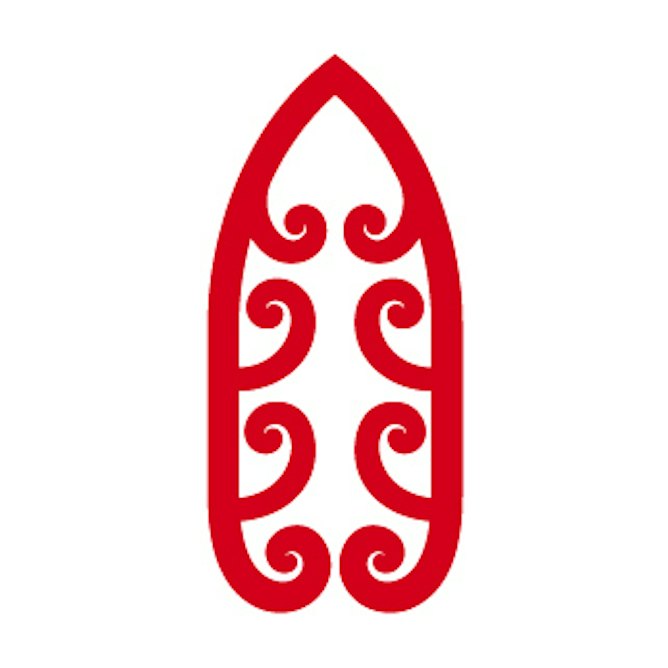
Our Tohu
Our tohu (identity) speaks to unity, momentum and a shared experience - encouraging each kaihoe (paddler) to lift their paddle in unison, embodying guardianship in motion.